Top 10 Benefits of Fly Ash in Construction Industry?
The Fly Ash Industry has gained significant attention due to its transformative potential in construction. Fly ash, a byproduct of coal combustion, is being utilized more in concrete production. According to the American Concrete Institute, incorporating fly ash can enhance durability and reduce the environmental impact of construction projects. Reports indicate that using fly ash can lower greenhouse gas emissions by up to 30%, making it an eco-friendly alternative.
The benefits of fly ash extend beyond sustainability. It improves the workability of concrete, leading to better finishes and strength. Research shows that structures using fly ash can exhibit greater resilience to environmental stressors. This resilience is crucial in regions prone to severe weather. However, the adoption of fly ash is not without challenges. Quality control and varying compositions can affect performance. Ensuring consistent quality remains a topic for discussion within the Fly Ash Industry.
The potential of fly ash is immense, yet careful consideration is essential. As stakeholders push for greener practices, the Fly Ash Industry must address these imperfections. Continuous research and innovation will contribute to maximizing the benefits of fly ash in construction. The journey towards full integration of fly ash in mainstream practices demands collective effort and commitment.
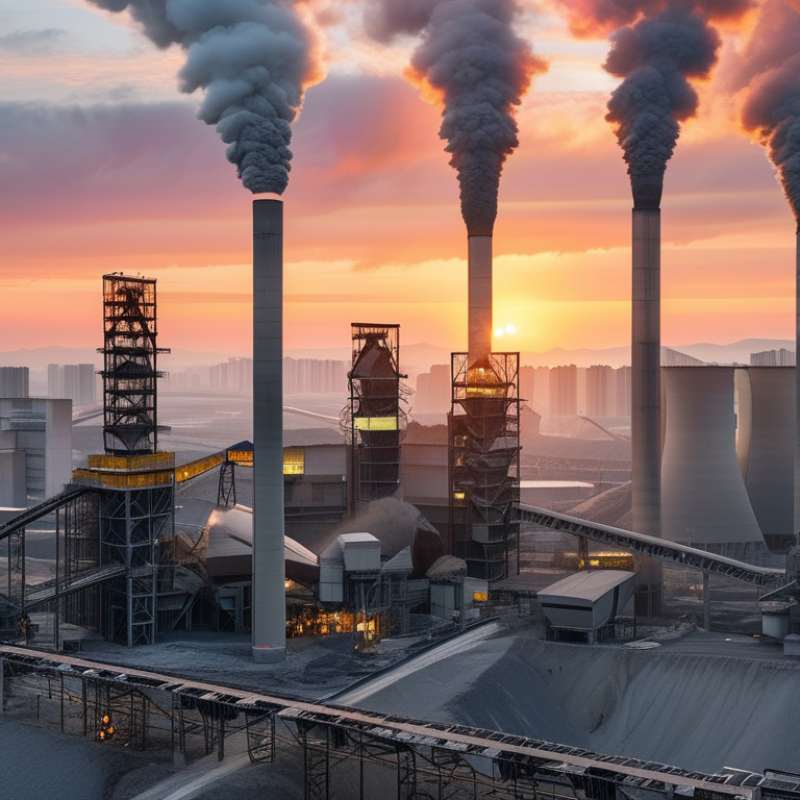
Benefits of Fly Ash as a Partial Cement Replacement
Fly ash, a byproduct of coal combustion, offers several benefits when used as a partial replacement for cement in concrete. Research by the American Concrete Institute shows that replacing cement with fly ash can improve concrete's long-term properties. Fly ash enhances durability, reduces permeability, and increases resistance to chemical attack. In fact, using fly ash can decrease water absorption by up to 30%, leading to stronger structures with longer service life.
Another significant advantage is sustainability. By incorporating fly ash into concrete, the demand for cement is reduced. This is vital since cement production accounts for about 8% of global carbon dioxide emissions. A study from the U.S. EPA indicates that using fly ash can reduce the carbon footprint of concrete by approximately 30% per cubic meter. Utilizing fly ash also promotes recycling, diverting waste from landfills and turning it into a valuable resource for construction.
While these benefits are substantial, the variability in fly ash quality can present challenges. Not all fly ashes are alike; their chemical and physical properties depend on the source and combustion process. Some may not meet specifications for specific projects. This inconsistency calls for careful testing and monitoring to ensure optimal performance in concrete mixtures. Understanding these variations is essential for engineers and contractors looking to leverage fly ash effectively.
Enhanced Workability and Flow Characteristics in Concrete
Fly ash plays a crucial role in enhancing the workability and flow characteristics of concrete. According to a study by the American Concrete Institute, incorporating fly ash can improve the slump of concrete by up to 30%. This increased flowability allows for easier placement and consolidation, making it a preferred choice for complex structures. Contractors often report significant time savings during the mixing and pouring stages, leading to improved productivity on-site.
In addition to flow enhancement, fly ash contributes to better overall handling. It reduces the water-cement ratio, creating a more workable mix without compromising strength. A report from the National Ready Mixed Concrete Association indicates that using fly ash can increase the compressive strength of concrete by 15-20% over time. However, it’s essential to monitor the quality of fly ash, as variations can affect performance. Ensuring a consistent source is vital for achieving desired outcomes. This complexity highlights the need for careful selection and testing.
Top 10 Benefits of Fly Ash in Construction Industry
This bar chart illustrates the various benefits of using fly ash in the construction industry, focusing on enhanced workability and flow characteristics in concrete. The data represents the percentage of contractors who reported improvements in different areas when using fly ash.
Improved Durability and Resistance to Environmental Factors
Fly ash has been increasingly recognized for its role in enhancing the durability of concrete structures. When mixed with cement, fly ash reacts chemically to improve strength and reduce permeability. This reaction leads to more robust construction materials that can withstand harsh environmental conditions. Structures built with fly ash exhibit better resistance to freeze-thaw cycles and chemical attacks, prolonging their lifespan.
The incorporation of fly ash also contributes to improved resistance against sulfate attacks. Sulfates in soil or groundwater can cause significant damage to concrete over time. Fly ash minimizes this risk by stabilizing the chemical makeup of the concrete. Additionally, its lightweight nature reduces the overall weight of construction, which can mitigate structural stress. However, it's essential to ensure the right proportion of fly ash is used. An excess may compromise strength, leading to unexpected failures.
Sustainability is another advantage of fly ash in construction. It reduces the carbon footprint by minimizing the need for traditional cement production. Yet, many engineers question the long-term performance of fly ash in different climates. Understanding its behavior under various conditions is vital for optimizing its use. Ongoing research will be essential in addressing these concerns and enhancing the reliability of fly ash in construction practices.
Top 10 Benefits of Fly Ash in Construction Industry
| Benefit |
Description |
Impact on Construction |
| Improved Durability |
Fly ash enhances the strength and longevity of concrete. |
Increased lifecycle of structures. |
| Resistance to Corrosion |
Reduces permeability, preventing water and chemicals access. |
Enhanced structural integrity. |
| Environmental Sustainability |
Promotes recycling of industrial waste. |
Reduced landfill waste and carbon footprint. |
| Cost-Effectiveness |
Lower material costs when used as a partial replacement for cement. |
Lower overall construction expenses. |
| Workability |
Improved consistency and ease of mixing. |
Enhanced handling and placement of concrete. |
| Heat of Hydration |
Reduces heat generation during curing. |
Lower risk of thermal cracking. |
| Reduced Shrinkage |
Minimizes cracking due to shrinkage. |
Improved durability and aesthetic quality. |
| Long-term Strength |
Continues to gain strength over time. |
Ideal for infrastructure projects. |
| Enhanced Aesthetic Qualities |
Can improve the surface finish of concrete. |
Attractive and durable finishes. |
| Faster Curing Time |
Accelerates the curing process. |
Shorter project timelines. |
Cost-Effectiveness and Economic Benefits for Construction Projects
Fly ash has gained attention for its cost-effectiveness in the construction industry. Incorporating fly ash can significantly reduce material costs. This byproduct of coal combustion provides an affordable alternative to traditional cement. It enhances concrete's strength while lowering expenses related to raw materials.
In addition to direct cost savings, fly ash impacts the overall economy of construction projects. Reduced need for other materials can shorten project timelines. Workers can complete tasks faster. This efficiency can lead to savings on labor costs. However, relying too heavily on fly ash might raise concerns about quality in some instances. Not all fly ash has the same properties, so thorough testing is important.
The use of fly ash can also promote sustainability. It decreases the environmental footprint of construction. Contractors can position themselves as eco-friendly. Still, it's essential to balance benefits with potential variations in performance. Ensuring proper blends and proportions is crucial for maintaining quality. Constructing with fly ash deserves careful consideration and expert assessment.
Sustainability and Environmental Impact of Using Fly Ash
Fly ash, a byproduct of coal combustion, is changing the construction landscape. Its use promotes sustainability by reducing the reliance on traditional raw materials. This shift significantly lowers greenhouse gas emissions associated with cement production. When substituting cement with fly ash, a notable decrease in energy consumption occurs. Furthermore, utilizing fly ash can mitigate landfill waste, benefiting the environment.
Incorporating fly ash enhances the durability of concrete structures. It improves resistance to sulfate attack and reduces permeability. These qualities translate into longer-lasting constructions, ultimately saving resources over time. However, there are challenges. Variability in fly ash properties can lead to inconsistent results in different projects. Adjusting mix designs requires careful consideration and expertise.
The environmental impact of fly ash usage extends beyond carbon footprints. Enhanced recycling of waste promotes a circular economy. While the benefits are evident, ongoing research is essential. Exploring safer sources and improving quality standards can bolster confidence in fly ash applications. Balancing innovation with environmental considerations remains a critical aspect of sustainable construction.