Why Is the Fly Ash Industry Growing Worldwide?
Why Is the Fly Ash Industry Growing Worldwide?
The Fly Ash Industry is expanding because power generation produces enormous quantities of coal ash. Instead of sending this fine powder to disposal sites, manufacturers are using it in cement, concrete, bricks, road bases, and mine reclamation. Its growing value comes from a practical shift: waste can become a useful construction input.
Dr. V. M. Malhotra, a respected expert in concrete technology and fly ash applications, stated, “Fly ash is not a waste; it is a resource.” This view explains the market’s direction. When properly tested, fly ash can improve concrete workability, reduce heat generation, and replace part of the cement content. That replacement may lower material costs and reduce the carbon intensity of construction.
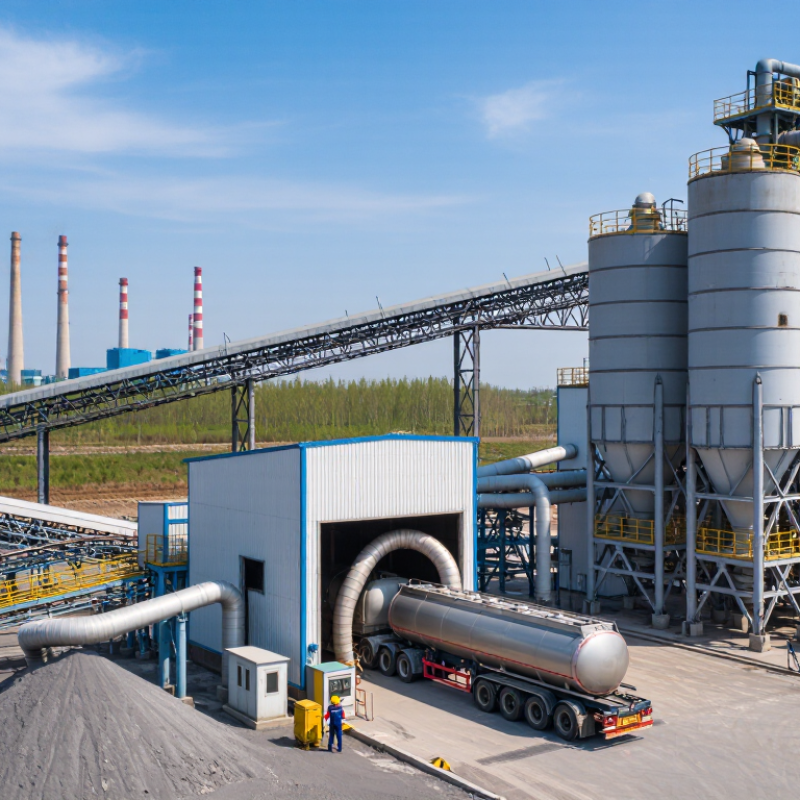
The change is visible at job sites. A grey powder arrives in sealed tankers, blends with cement, and becomes part of bridges, foundations, and high-rise structures. Environmental policies also encourage better ash management, especially where open storage threatens air and water quality. Yet growth is not automatic. Fly ash quality varies with coal type, combustion conditions, storage age, and collection methods.
Some applications still need stricter testing.
This is an important weakness. Inconsistent supply can discourage builders, while poorly controlled ash may affect durability and performance. Therefore, the Fly Ash Industry depends on reliable classification, laboratory verification, trained engineers, and transparent standards. Its future appears promising, but optimism should remain measured. Real progress requires turning a by-product into a dependable material, not merely giving it a greener name.
What Is Fly Ash and How Is It Produced?
Why Is the Fly Ash Industry Growing Worldwide?
Fly ash is a fine mineral powder created when coal is burned for electricity. It leaves the furnace with hot exhaust gases. Collection equipment, such as electrostatic precipitators and fabric filters, captures these lightweight particles before the gases are released. The collected ash usually contains silica, alumina, iron compounds, calcium, and small amounts of unburned carbon.
Its texture resembles soft gray flour. When blended with cement and water, many fly ashes react slowly and form additional binding compounds. This can improve concrete strength, workability, and resistance to certain aggressive conditions. It may also reduce the amount of clinker required, which explains growing interest in construction markets worldwide. However, fly ash is not perfectly uniform. Coal source, furnace temperature, and collection methods can change its chemistry. That difference matters.
Tips:
Check fineness, moisture, carbon content, and chemical composition before using fly ash. Test each supply consistently. Store it in dry, sealed conditions to prevent caking. Field results can vary, even when two samples look identical. A practical mistake is treating all fly ash as one material. Local specifications and laboratory testing should guide the final mix design.
What Factors Are Driving Global Fly Ash Demand?
The strongest driver of global fly ash demand is the search for lower-carbon concrete. Cement production requires intense heating and releases substantial carbon dioxide. Replacing part of the cement with properly processed fly ash can reduce clinker use and improve resource efficiency. Concrete producers also value its ability to increase workability and long-term strength. On active construction sites, smoother concrete placement can reduce pumping effort and surface defects. Demand is practical. Not everywhere.
Infrastructure & Sustainability
Public infrastructure is expanding in many regions, including roads, bridges, ports, and housing. These projects consume large volumes of concrete, creating steady interest in supplementary cementitious materials. Fly ash can also help manage industrial waste that might otherwise require storage. This circular-use advantage supports procurement policies and environmental reporting. However, supply depends heavily on coal-fired power generation, which is declining in some markets. That creates a difficult contradiction.
Quality and logistics now matter more than simple availability. Testing should examine fineness, moisture, loss on ignition, chemical composition, and pozzolanic performance. Ash from different sources can behave differently, even within one region. Transport costs may quickly erase its environmental benefits when supplies travel long distances. Some buyers also face inconsistent grading or limited technical guidance. The industry is growing, but not perfectly. A more reliable future will require better classification, local processing, and honest performance data.
How Does Fly Ash Support Sustainable Construction?
Fly ash supports sustainable construction by replacing part of Portland cement in concrete. The International Energy Agency reports that cement production causes about 7% of global energy-related carbon dioxide emissions. Lowering cement content can therefore reduce a project’s embodied carbon. In practice, fly ash also improves workability, giving concrete a smoother finish around dense reinforcement.
The U.S. Geological Survey reported approximately 95 million metric tons of coal ash generated in the United States in 2022. A significant share can become a supplementary cementitious material when properly processed and tested. Fly ash reacts with calcium hydroxide, forming additional cementitious compounds. This can improve later-age strength and reduce permeability. Better durability means fewer repairs, less material use, and longer service life.
It is not magic.
Performance depends on chemistry, fineness, curing temperature, and quality control. The American Society for Testing and Materials specifies requirements for fly ash used in concrete, including limits for chemical composition and strength performance. Field engineers still need trial batches, because local ash can vary considerably. The U.S. Environmental Protection Agency has also identified beneficial use as a way to conserve raw materials and reduce disposal needs. Yet transportation can weaken the environmental benefit when ash travels long distances. A 2024 project review should measure both concrete performance and supply-chain emissions, not only replacement percentages.
What Challenges Could Affect the Fly Ash Industry’s Future?
Why Is the Fly Ash Industry Growing Worldwide?
Fly ash demand is rising because cement producers seek lower-carbon substitutes. The International Energy Agency reported that global coal demand reached a record level in 2023. However, it expects demand to plateau through 2027. This creates an uncomfortable contradiction. More coal generation can increase ash availability, while cleaner power systems may reduce it.
Supply quality is another challenge. Fly ash varies with coal type, combustion temperature, and collection methods. Some batches contain excessive carbon or unwanted minerals. These differences can affect concrete strength, setting time, and durability. The American Coal Ash Association reported that U.S. coal combustion products exceeded 65 million short tons in 2022, with a large share reused. Yet usable fly ash is not always near cement plants. Transport costs can erase its economic advantage.
Regulation may tighten as environmental monitoring improves. The U.S. Environmental Protection Agency has continued reviewing coal ash management and groundwater risks. That scrutiny can raise storage and testing costs. The U.S. Geological Survey also treats fly ash as an important supplementary cementitious material, but supply forecasts remain uncertain. I have seen one practical weakness in industry projections: they often assume stable coal generation and stable material quality. Both assumptions may fail. Recycling old ash ponds could help, but recovery involves moisture, contamination, and expensive processing. Small technical details matter.
Why Is the Fly Ash Industry Growing Worldwide?
Global coal consumption has remained high, sustaining the supply of coal combustion by-products. The chart estimates potential fly ash generation using a screening assumption that coal contains 10% ash and approximately 80% of that ash becomes fly ash. Increasing construction demand for supplementary cementitious materials supports industry growth, while coal-phaseout policies, stricter quality standards, contamination risks, transport costs, and limited processing capacity could affect the industry's future.
Source basis: global coal-consumption trend derived from Energy Institute Statistical Review of World Energy data; fly ash values are calculated estimates, not measured national inventories. Assumption: 10% ash content × 80% fly ash fraction.