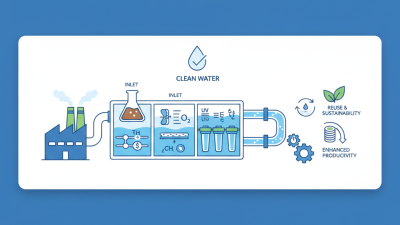



Choosing among the Top 10 Water Reclamation Systems for Global Buyers requires more than comparing prices and advertised recovery rates. Each system must match local water quality, operating conditions, maintenance skills, and discharge requirements. Water Reclamation can support factories, hotels, farms, and municipal facilities, but one design cannot serve every site.
This guide evaluates systems through practical purchasing criteria. These include treatment capacity, contaminant removal, energy consumption, automation, footprint, membrane life, and after-sales support. Reverse osmosis, membrane bioreactors, ultrafiltration, and advanced oxidation each solve different problems. A food processor may need reliable organic-load control, while a textile plant may prioritize color and chemical removal. Pilot testing remains valuable because laboratory results can differ from daily operation.
Real-world experience matters. Operators often notice issues that brochures omit, such as clogged prefilters, difficult chemical deliveries, or unstable sensor readings. Buyers should request verified performance data, maintenance records, warranty terms, and references from comparable installations. Local engineers should also review applicable water, safety, and environmental requirements before purchase. Claims need evidence.
No ranking is perfect. Site conditions change.
The strongest system is not always the most advanced or expensive. It is the system that delivers consistent water quality, manageable operating costs, and dependable technical support over many years. This overview helps global buyers compare leading options with a clearer, more critical perspective.
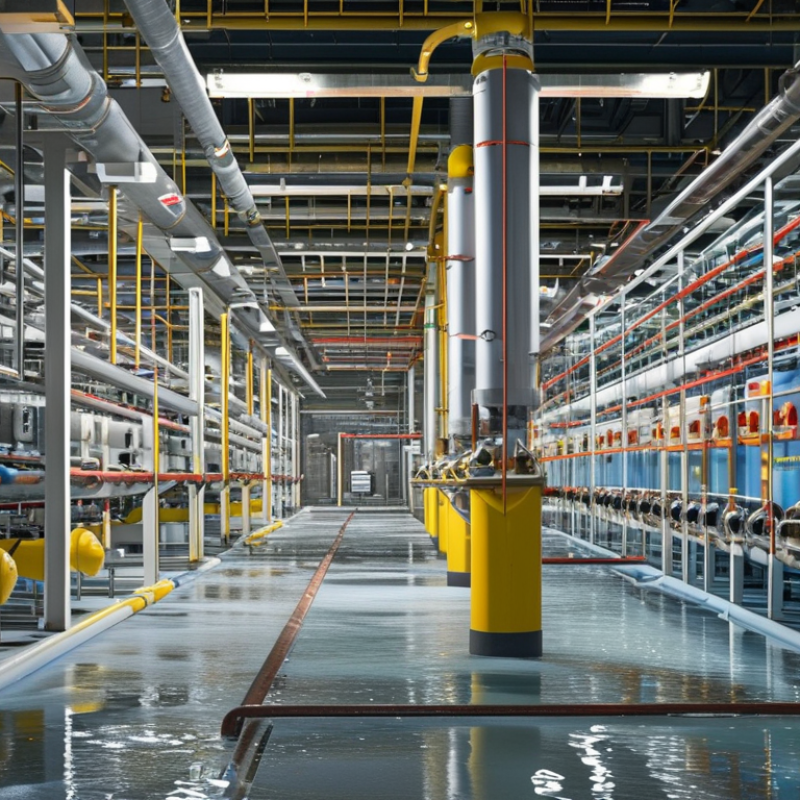
Water reclamation systems treat used water for safe, practical reuse. They may serve factories, hotels, farms, or municipal facilities. The purpose is not simply to remove visible dirt. It is to control organic matter, nutrients, pathogens, salts, and trace pollutants. Reclaimed water can support cooling towers, irrigation, toilet flushing, or industrial cleaning. Its final use determines the treatment target.
A typical system begins with screening, grit removal, and flow equalization. These stages protect pumps and balance sudden changes in water quality. Biological treatment then reduces biodegradable waste. Membrane filtration can remove fine solids and many microorganisms. Reverse osmosis may reduce dissolved salts when high-purity water is required. Disinfection follows, using methods such as ultraviolet light or carefully controlled chemical treatment. Sludge handling also matters. Ignoring it creates odors, maintenance problems, and hidden operating costs. In practice, no system performs perfectly under every seasonal condition.
Tips: Global buyers should test the source water before selecting equipment. Review flow variation, temperature, salinity, and chemical exposure. Ask for verified performance data, maintenance schedules, operator training, and independent laboratory testing. Leave space for future capacity. Many projects underestimate cleaning time and energy demand. A lower purchase price can become expensive when membranes foul quickly or spare parts arrive slowly.

Global buyers can choose from ten main water reclamation system types. Rainwater harvesting captures roof runoff for irrigation, cleaning, or toilet flushing. Greywater recycling treats water from showers, sinks, and laundry. Blackwater treatment handles toilet waste and requires stronger biological control. Municipal wastewater reuse supplies treated water for landscaping, cooling, or industrial operations. These systems suit different water sources, risk levels, and local standards.
Industrial process-water recovery removes oils, metals, salts, and chemical residues before reuse. Membrane bioreactors combine biological treatment with fine membrane filtration. Reverse osmosis reduces dissolved salts and many trace contaminants. Desalination systems convert seawater or brackish water into freshwater, but they consume significant energy. Constructed wetlands use plants, gravel, and microbial activity to polish wastewater naturally. Decentralized packaged systems serve buildings, remote facilities, and small communities without large sewer networks.
Real projects often combine several types. A coastal hotel may collect rainwater, recycle greywater, and use reverse osmosis for salt removal. A factory may need equalization tanks before membrane treatment. Operators should check influent quality, seasonal flow, energy demand, sludge handling, and maintenance access. Local discharge and reuse rules remain essential, even when treated water looks clear. No system is perfect. A low-cost design can become expensive when membranes foul or trained staff leave. Pilot testing, independent laboratory analysis, and realistic operating budgets make purchasing decisions more reliable.
Top 10 Water Reclamation Systems for Global Buyers
Comparing water reclamation systems requires more than checking daily capacity. A plant rated for 1,000 cubic meters may perform poorly with seasonal feed changes. Examine actual flow, peak demand, recovery rate, and storage requirements. Ask for pilot data using water similar to yours. Small details matter.
Water quality should match the intended use, not an impressive specification sheet. For cooling towers, measure conductivity, silica, hardness, and microbial control. For irrigation, review salinity, nutrients, pathogens, and local standards. Track turbidity before and after treatment. A clear sample is not always safe water. Independent laboratory testing strengthens the evaluation.
Energy use directly affects operating costs. Compare kilowatt-hours per cubic meter, chemical consumption, membrane replacement, cleaning frequency, labor, and sludge disposal. Request cost estimates under low, average, and peak loading. A spreadsheet can still mislead. Site conditions, electricity prices, and operator skills change the result. Systems with remote monitoring may reduce travel, but they still need trained local staff and reliable spare parts. Review service records, commissioning procedures, safety controls, and references from comparable installations. When possible, inspect a working site rather than trusting polished projections. Some assumptions will be wrong. Plan for that.
Comparison of representative system types using capacity, treated-water quality, energy demand, and operating cost. Scores are indexed from 0 to 100; higher scores indicate stronger overall performance. Energy and operating-cost scores are inverted so that lower consumption and cost receive higher scores.
Benchmark values represent typical municipal and industrial design ranges. Actual results vary with influent quality, discharge requirements, climate, plant scale, staffing, and local electricity and labor prices.
Water reclamation systems must match regional regulations, not just treatment capacity. In project reviews, compliance often determines the final equipment choice. In the European Union, buyers should check water reuse rules, discharge limits, and product safety requirements. United States requirements can vary by state, especially for potable or agricultural reuse. Australia and Middle Eastern markets may apply strict water quality, drought, or wastewater monitoring rules. Local discharge permits still matter. Read the permit language carefully.
Installation begins with the water source and site survey. A coastal hotel may need corrosion-resistant materials and compact pipe routing. A factory may require stronger pretreatment for oils, metals, or fluctuating wastewater loads. Cold climates need freeze protection. Hot climates need ventilation and temperature control. Operators also need safe chemical storage, drainage, electrical stability, and clear maintenance access. Keep access practical. Commissioning should include flow tests, sensor calibration, laboratory verification, and operator training. Yet field conditions are rarely perfect. A design that looks efficient on paper may become difficult to service.
Supplier qualification requires more than comparing price and membrane ratings. Request documented operating references from similar sites and climates. Ask for water analysis records, expected recovery rates, maintenance schedules, and failure-response procedures. Verify factory quality controls, technical staff experience, spare-parts availability, and local service coverage. Independent testing can support performance claims, but it does not replace site validation. An impressive proposal may hide weak after-sales support. Pilot testing is useful when feedwater changes seasonally. Small omissions matter. That is where reliable procurement decisions are tested.
Global buyers should treat water reclamation as a lifecycle investment, not a single equipment purchase. The UN World Water Development Report 2024 states that 2.2 billion people lacked safely managed drinking water in 2022. UNEP’s 2023 wastewater report also estimates that about 80% of global wastewater remains untreated. These figures justify careful procurement, but they do not justify rushed decisions.
Define the water source, reuse purpose, flow variation, and discharge limits before requesting quotations. Ask suppliers for verified removal data, pilot results, energy consumption, membrane life, chemical demand, and sludge handling costs. IEA research indicates that water and wastewater services consume roughly 4% of global electricity. A low purchase price may therefore hide significant operating expenses. Require a 15-year lifecycle model with replacement parts, labor, monitoring, and downtime included. Keep assumptions visible.
Selection should compare biological treatment, filtration, disinfection, and advanced polishing against actual risk. Test samples during dry and wet seasons. Inspect proposed maintenance access, sensor calibration procedures, and operator training materials. A factory acceptance test is useful, but it cannot represent every local condition. That limitation matters. Buyers should also request independent laboratory verification and clear performance guarantees. In practice, many procurement teams overestimate theoretical recovery rates and underestimate cleaning frequency. A small pilot may reveal that an impressive design is impractical when feedwater quality changes daily.