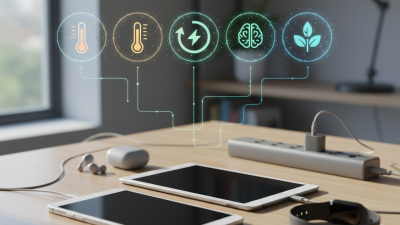



In today's world, battery longevity is crucial. Consumer Electronics Association reports that battery capacity decreases by about 20% after 500 charge cycles. This decline impacts performance and costs consumers money. Battery rejuvenation techniques can help extend lifespan and improve efficiency.
Recent studies indicate that proper maintenance can significantly enhance battery life. Methods such as temperature management and smart charging have shown promising results. Implementing these strategies not only saves resources but also reduces electronic waste.
However, it's essential to understand that not all techniques guarantee success. Some methods may yield minimal improvements or require specific conditions. Awareness and critical evaluation of each technique are vital. In this guide, we will explore the top ten battery rejuvenation practices to help you maximize your battery's lifespan effectively.
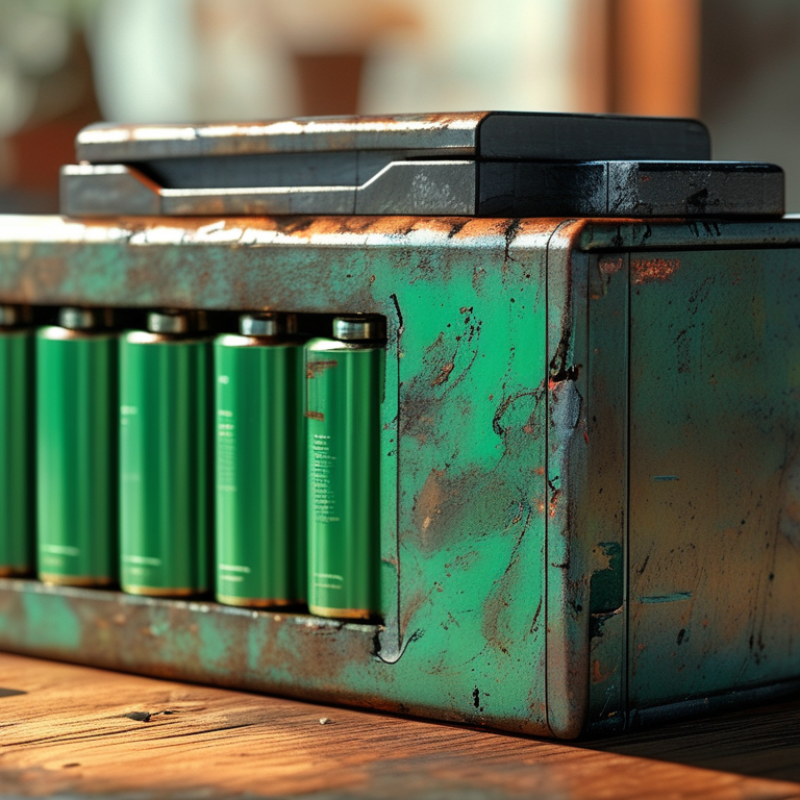
Battery degradation is a common issue affecting both rechargeable and non-rechargeable batteries. This phenomenon occurs when batteries lose their ability to hold a charge over time. Several factors contribute to this decline. For example, temperature fluctuations can greatly impact battery health. Extreme heat or cold will accelerate degradation, making it crucial to store batteries in a stable environment.
Another factor is the charging cycle. Each time a battery charges and discharges, it undergoes stress. Regularly allowing a battery to drop to very low levels before charging can create additional strain. Frequent full discharges may not be ideal for longevity. Additionally, chemical reactions within the battery can lead to a buildup of unwanted materials that hinder performance.
Maintaining optimal charging habits can slow down this degradation. Avoid overcharging; it generates heat and can damage the battery. Understanding these nuances helps users make informed decisions. Regularly monitoring performance can reveal signs of aging. Addressing these early can extend battery life and reduce waste. The exploration of such techniques promotes a more sustainable usage of technology.
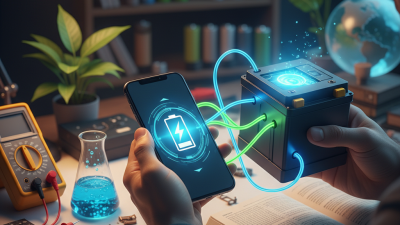
As batteries age, they exhibit common signs of degradation that can affect their performance. Decreased capacity is often the first indicator. A report from the International Energy Agency states that batteries typically lose around 20% of their capacity after 500 charge cycles. Users may notice shorter usage times between charges. This can lead to frustration, especially in mobile devices.
Another sign to watch for is increased internal resistance. This can cause overheating and reduced efficiency. Studies indicate that as a battery's internal structure degrades, its resistance can increase by 30-50%. You might observe devices taking longer to charge or behave erratically during use. Regular monitoring of voltage levels can help identify these issues early.
Tip: Keeping your battery around 20-80% charged can help prolong its lifespan. Avoid deep discharging whenever possible.
Additionally, physical signs like swelling or leakage warrant immediate attention. These are clear indicators of battery failure and can pose safety risks. The Consumer Product Safety Commission highlights that mishandled batteries can lead to damage or accidents.
Tip: Inspect your battery regularly for physical changes. If you spot any weird bulges, replace it right away.
Battery rejuvenation is a crucial technique for extending lifespan and performance. It can help you get more out of your devices. Several methods can enhance the efficiency of your batteries. Each method has its own merits and limitations.
One effective technique involves calibrating the battery. This process ensures that the battery management system reflects the actual battery capacity. Regular calibration can prevent inaccurate readings. Another method is temperature management. Excess heat can damage batteries. Keeping devices cool enhances battery life. Explore using thermal management solutions to keep temperatures in check.
Tips: Maintain optimal charging habits. Avoid letting your battery drain completely before charging. Frequent shallow charges can be beneficial. Monitor battery health regularly to catch issues early. Experiment with these methods to find what works best for your devices. The journey of battery management requires some trial and error, as not all techniques will suit every user.
Maintaining battery health is crucial for longevity. Many people overlook simple steps for DIY battery maintenance. One key technique involves regular cleaning. Dust and corrosion can accumulate on terminals, hindering performance. Use a mixture of baking soda and water to scrub terminals carefully. Ensure everything is dry before reconnecting.
Another technique is monitoring the charge cycle. Avoid letting batteries fully discharge regularly. Instead, recharge them when they get low but before they die. This helps in keeping the battery's capacity intact. Additionally, check the battery's temperature. High heat can damage cells. Keeping batteries cool will extend their lifespan significantly.
Finally, a simple inspection of connections can show wear and tear. Loose or frayed wires might lead to inefficiencies. Tighten connections carefully. This not only helps the battery but also improves overall device performance. Regular checks may seem tedious but are worth the effort. Small actions create significant impacts on battery life.
| Technique | Description | Benefits | Frequency |
|---|---|---|---|
| Deep Cycle | Allowing the battery to fully discharge before recharging. | Extends cycle life and maintains capacity. | Every 3 months |
| Temperature Management | Keeping batteries at optimal temperature ranges. | Prevents overheating and cold damage. | Continuous |
| Cleaning Terminals | Removing corrosion and dirt from battery terminals. | Enhances electrical connection and performance. | Monthly |
| Regular Charging | Keeping the battery charged within recommended levels. | Prevents sulfation and capacity loss. | Weekly |
| Avoiding Full Discharge | Recharging before complete battery depletion. | Maintains overall battery health and longevity. | Always |
| Battery Management Systems | Using systems to monitor and optimize battery usage. | Enhances safety and performance. | Continuous |
| Equalization Charges | Charging batteries evenly to balance voltage levels. | Prevents capacity imbalances. | Every 6 months |
| Using the Right Charger | Employing a charger that matches the battery specifications. | Prevents damage and increases efficiency. | Always |
| Storing Properly | Storing in cool, dry environments when not in use. | Reduces self-discharge and degradation. | As needed |
| Performing Battery Health Tests | Conducting tests to assess battery condition and performance. | Identifies issues early for proactive maintenance. | Every 6 months |
Battery rejuvenation techniques can significantly impact the lifespan of rechargeable batteries. After rejuvenation, certain best practices can help maintain their efficiency. Regular monitoring is key. Keeping batteries at optimal charge levels prevents deep discharges. Research shows that maintaining a charge between 20% and 80% extends battery life by 30%.
Tip: Avoid exposing batteries to extreme temperatures. High heat degrades chemical components. In fact, studies indicate that every degree Celsius increase can shorten battery life by approximately 2%. Ensuring batteries are stored in a cool, dry place can make a significant difference.
Proper charging habits also play a pivotal role. Using smart chargers can prevent overcharging and minimize stress on the battery. Studies reveal that avoiding overcharging can enhance lifespan by up to 50%.
Tip: Regularly calibrate batteries by allowing them to drain completely before recharging. This practice can help optimize performance. However, be cautious not to make it a routine, as deep discharges can negatively impact some lithium-ion batteries. Taking these steps enhances battery longevity while reducing waste and environmental impact.