Top 10 Water Expos in China for Global Buyers
China’s water exhibitions bring treatment technology, infrastructure, and buyers into the same busy halls. For global procurement teams, the right event can reveal suppliers, compare equipment, and clarify project needs. Yet a crowded booth is not proof of product quality. Ask for operating data, certifications, and references from installations similar to yours.
The need is substantial. UNESCO’s United Nations World Water Development Report 2024 reports that 2.2 billion people lacked safely managed drinking water in 2022. That figure gives the technology discussion real weight, but it does not make every product or pitch equally useful. Water-policy expert Dr. Peter Gleick is often quoted as saying, “The water crisis is a crisis of governance, not one of scarcity.” His point is a useful lens for evaluating the Top 10 Water Expos in China for Global Buyers: strong solutions depend on sound planning, operation, and accountability—not hardware alone.
Look closely. Check exhibitor profiles before booking meetings. Ask how systems perform under local water conditions, and request clear after-sales support details. Some displays may look impressive; practical evidence can be harder to find. This guide compares leading Water EXPO events by their relevance to international buyers, including product focus, networking opportunities, and access to water-sector suppliers. It is a starting point, not a substitute for due diligence.
China’s Water Market: 590.7 Billion m³ Used in 2023 (MWR)
China’s water use reached 590.7 billion cubic meters in 2023, according to the Ministry of Water Resources (MWR). This national total offers global buyers a useful starting point, not a complete market map. It reflects water use across agriculture, industry, households, and other activities. A vast flow. Yet volume alone cannot show where treatment, reuse, monitoring, or efficient equipment is most needed.
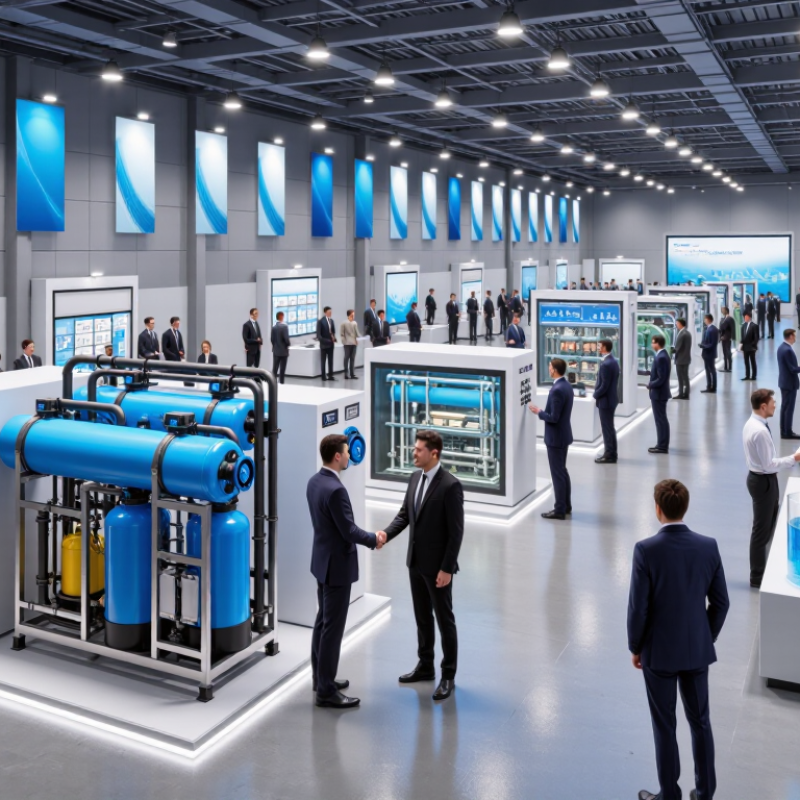
Water expos can help buyers investigate those needs. In exhibition halls, they can compare pumps, membranes, meters, leak-detection tools, and wastewater systems side by side. Ask how equipment performs with different water qualities, operating hours, and maintenance routines. Request test data and clear service requirements. Brochures look tidy. Real installations are less tidy.
The MWR figure is a national indicator, not proof that every province or buyer faces the same conditions. For sourcing teams, practical questions are local: What is the water source? How stable is supply? Can a system reduce freshwater use without adding excessive energy or sludge costs? I may be giving the headline number too much weight; site-level data should guide purchasing decisions. Bring operating records, not just wish lists, to supplier meetings.
How the Top 10 Expos Are Ranked: Focus, Scale, and Buyer Access
A useful ranking of China’s top water expos should look beyond visitor totals. The first measure is focus: does an event cover treatment equipment, monitoring, infrastructure, or several fields at once? A specialized show may help buyers compare pumps, filters, and testing systems in one afternoon. Broader expos can reveal adjacent suppliers, but their displays may feel less relevant. Scale matters, too. Hall space and exhibitor counts offer clues, not proof of quality. Numbers change each year.
Buyer access is the third measure. Strong access means clear exhibitor directories, practical product information, interpreters, and ways to arrange meetings before arrival. These details help overseas teams use limited time well. Rankings should also consider how easy it is to verify claims through current event materials. Some organizers report figures differently, so direct comparisons are imperfect. That is worth admitting. A high position cannot guarantee suitable suppliers or a productive visit.
Tips: Check the latest floor plan and exhibitor list before booking. Mark priority booths, then leave time for unplanned conversations. Ask exhibitors about product specifications, service coverage, and export experience. Keep notes after each meeting; busy halls make details blur quickly.
Top 10 Water Expos in China: Core Themes and Trade Specialties
China’s water expos bring together suppliers of water treatment, pumping, monitoring, and reuse technologies. Their core themes often reflect practical infrastructure needs: cleaner process water, reliable distribution, and lower wastewater volumes. Buyers can compare membrane systems, filtration units, dosing equipment, and compact treatment modules side by side. Details matter. Ask about flow rate, energy use, maintenance intervals, and the water conditions used in performance tests.
Some exhibition areas focus on municipal and industrial wastewater, while others feature drinking-water systems, desalination, or water-quality sensors. Trade specialties vary by event and exhibitor mix. A sensor display may show calibration tools and sample readings; a pump booth may provide curves for different operating points. These details help visitors move beyond attractive displays. Not every display tells the whole story.
For global buyers, a useful visit starts with a defined application and a short list of technical questions. Bring typical inlet-water data, target output quality, and expected operating hours. Request documentation, test conditions, and service requirements before comparing prices. Claims can be hard to assess in a busy hall. Even so, a brief technical conversation may reveal where a product fits—and where more verification is needed.
Top 10 Water Expos in China: Core Themes and Trade Specialties
China’s 2023 water use by sector—a factual indicator of the demand behind water-industry exhibition themes.
Agriculture accounts for the largest share of water use, followed by industry and domestic use. These demand areas are relevant to trade specialties such as irrigation, water treatment, industrial water systems, and municipal supply. Shares are based on the 2023 China Water Resources Bulletin; this chart is not an expo ranking.
Buyer Checklist: Verify Visitor Data, Matchmaking, and Export Support
When comparing China’s leading water expos, treat visitor claims as figures to verify, not promises.
UFI’s 2024 Global Exhibition Barometer reported that exhibition revenues in 2023 reached about 98% of 2019 levels, with 2024 projected at 115%. That recovery says little about one show’s buyer quality. Request the latest audited visitor count, unique attendees, countries represented, job roles, and share of overseas visitors. Check whether “buyers” means purchasing decision-makers or all registered guests.
Look for evidence of matchmaking that goes beyond a meeting schedule. Ask how many pre-arranged meetings were completed, how cancellations were counted, and whether suppliers can filter contacts by product need and destination market.
A busy aisle is not a sales lead.
The detail matters. If possible, speak with past international exhibitors and ask how many follow-up enquiries became qualified opportunities.
Export support should be equally concrete: interpreter availability, product documentation guidance, freight referrals, and post-show contact access. WHO and UNICEF’s Joint Monitoring Programme reported that 2.2 billion people lacked safely managed drinking water in 2022, underscoring the sector’s global needs—but demand does not guarantee a fit for every supplier. Compare the show’s buyer profile with your equipment, certifications, and target markets. One uncomfortable point: published figures may use different counting methods, so direct comparisons can be imperfect.
Ask for definitions in writing.
Global Need: 2.2 Billion Lacked Safely Managed Drinking Water in 2022 (WHO/UNICEF)
In 2022, about 2.2 billion people lacked safely managed drinking water services, according to WHO and UNICEF. This figure is more than a headline; it reflects daily uncertainty about water quality, access, and reliable service. For global buyers visiting water expos in China, the need makes product evaluation consequential, not merely commercial.
Exhibitions can bring treatment equipment, pumps, filtration media, monitoring instruments, and reuse systems into one place. Buyers can inspect housings, compare control panels, and ask how equipment performs with turbid water or unstable power. A demonstration is useful, but it is not field evidence. Request test methods, maintenance intervals, spare-parts plans, and performance data from conditions resembling the intended site. Small details matter.
Water access depends on more than hardware. Local operators need training, parts, testing capacity, and a realistic budget for years of service. Buyers should check whether claimed results distinguish microbial safety from chemical risks; one filter cannot address every contaminant. That sounds straightforward. It isn’t. Trade fairs can start practical conversations, yet decisions still require independent verification and local input. A polished booth cannot show how equipment performs after months of dust, heat, or delayed repairs.