What is the Role of the National Development and Reform Commission?
The National Development and Reform Commission (NDRC) plays a crucial role in China's economic landscape. This agency guides the nation's economic planning, investment, and policy formulation. According to the National Bureau of Statistics, China's GDP grew by 8% in 2021. This growth demonstrates the impact of effective reforms and strategic planning led by the NDRC.
The NDRC has been instrumental in setting ambitious targets. For example, aims for carbon neutrality by 2060 have been highlighted in national strategies. However, challenges remain. Issues such as regional disparities and resource allocation can hinder progress. The NDRC's ability to adapt and address these issues is critical for sustainable development.
Reports indicate that the NDRC is shaping industries through ongoing reforms. In sectors like energy and transportation, improvements are evident. Yet, the agency must also reflect on its methods. Balancing rapid growth with environmental protection poses a significant dilemma. The NDRC's actions will determine the future trajectory of China's economy.

Overview of the National Development and Reform Commission
The National Development and Reform Commission (NDRC) plays a crucial role in shaping China’s economic policies. It formulates and implements strategies to promote sustainable development. Each year, the NDRC sets targets for economic growth, resource allocation, and social development. This includes vital sectors like energy, transportation, and agriculture.
One key aspect of the NDRC's work is to enhance coordination among different government departments. They aim to ensure that policies align, supporting overall national goals. However, this coordination often faces challenges. Conflicting interests can create barriers. Regional disparities in development also complicate the NDRC’s mission.
The NDRC is also tasked with monitoring and evaluating the implementation of its policies. This involves assessing their effectiveness and making necessary adjustments. While this process is essential, issues like data accuracy and reporting can hinder a clear picture. As the economic landscape evolves, the NDRC must adapt. This ongoing evolution calls for reflection on its methods and objectives.
Key Functions and Responsibilities of the Commission
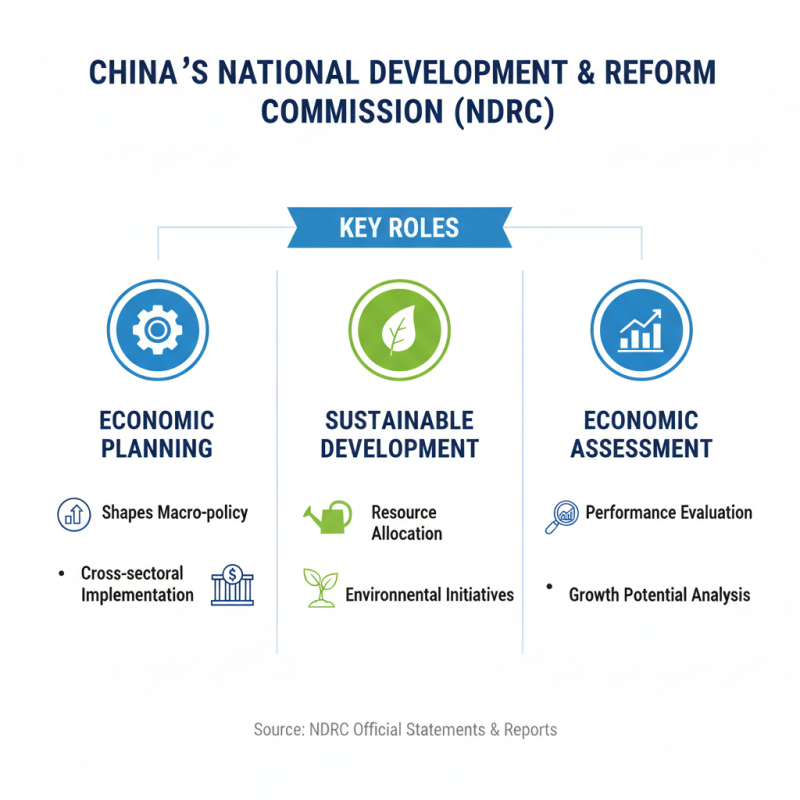
The National Development and Reform Commission (NDRC) plays a crucial role in shaping economic policies. One of its key functions is formulating strategic plans for national economic development. This involves analyzing data and trends to create a roadmap for growth. The NDRC also monitors the implementation of these plans, ensuring that goals are met.
Another essential responsibility is promoting sustainable development. The NDRC encourages environmentally friendly practices and invests in green technologies. This is vital for balancing economic growth with ecological health. However, challenges exist. Ensuring that all regions benefit from development can be difficult. There are often disparities between urban and rural areas that need addressing.
The commission also oversees price regulation to stabilize the economy. This includes controlling the prices of essential goods and services. While this aims to protect consumers, it can lead to unintended consequences. For instance, price controls may discourage production or lead to shortages. Continuous evaluation is necessary to improve the effectiveness of these measures.
Key Functions and Responsibilities of the National Development and Reform Commission
Role in Promoting Sustainable Development Initiatives
The National Development and Reform Commission (NDRC) plays a crucial role in advancing sustainable development initiatives. In recent years, China's commitment to sustainability has become increasingly clear. For instance, the country aims to peak carbon emissions by 2030 and achieve carbon neutrality by 2060. This ambitious goal demands a coordinated approach from the NDRC.
Sustainable development is not just a policy preference; it is becoming a necessity. A report from the International Energy Agency states that renewable energy investments must reach $4 trillion annually by 2030 to meet climate targets. The NDRC coordinates these investments, ensuring funding is allocated effectively. Additionally, it fosters innovation by supporting green technologies and business models. Yet, challenges remain. Some local governments prioritize short-term growth over long-term sustainability.
In 2022, the NDRC identified over 1,500 eco-friendly projects. However, scaling these initiatives remains difficult. The integration of sustainability into all levels of planning requires continuous effort. Stakeholders must engage more—businesses, communities, and the government. Without collaboration, initiatives may lack impact. Improving these processes is key to achieving national sustainability objectives while keeping an eye on economic stability.
Collaboration with Other Government Entities and Stakeholders
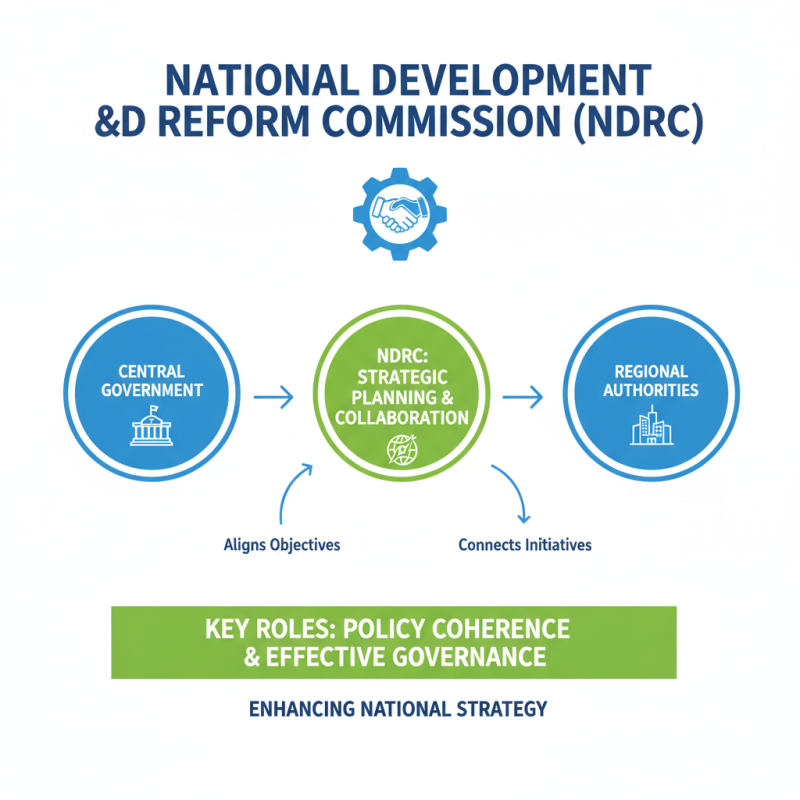
The National Development and Reform Commission (NDRC) plays a critical role in planning and implementing strategic initiatives. Collaboration is at its core. The NDRC works closely with various government entities. These partnerships enhance coherence in national policies. It connects regional authorities with central government objectives. The alignment fosters effective governance.
In addition, the NDRC engages with different stakeholders. These include businesses, non-governmental organizations, and academic institutions. By drawing on diverse inputs, the NDRC ensures that plans are comprehensive. However, challenges exist. Coordination can be difficult among stakeholders with differing priorities. Miscommunication may arise, leading to delays or conflicts.
These collaborations also require transparency and accountability. Stakeholders must trust the process for it to succeed. The NDRC often faces scrutiny over project outcomes. This is a reminder of the importance of stakeholder engagement. Ultimately, effectiveness depends on strong relationships and open dialogue. Improvement is always possible in this vital area.