What is Pneumatic Waste Collection and How Does It Work?
Pneumatic waste collection is transforming urban waste management. This innovative system uses a network of underground tubes to transport waste efficiently. According to the latest report from the International Solid Waste Association, cities implementing pneumatic systems have seen a 30% reduction in waste collection costs. The efficiency it provides enhances the cleanliness of urban environments.
Cities like Stockholm and Barcelona have embraced pneumatic waste collection. They benefit from reduced traffic congestion caused by garbage trucks. The system minimizes noise and air pollution, promoting a healthier living condition. However, challenges remain. The installation costs can be high, and maintenance requires specialized knowledge.
While pneumatic waste collection offers significant advantages, it is not a one-size-fits-all solution. Each city must evaluate its unique needs and infrastructure. Data suggests that the effectiveness of this system can vary with the density of urban areas. As cities grow, ongoing assessment of pneumatic systems will be essential for long-term sustainability.
What is Pneumatic Waste Collection?
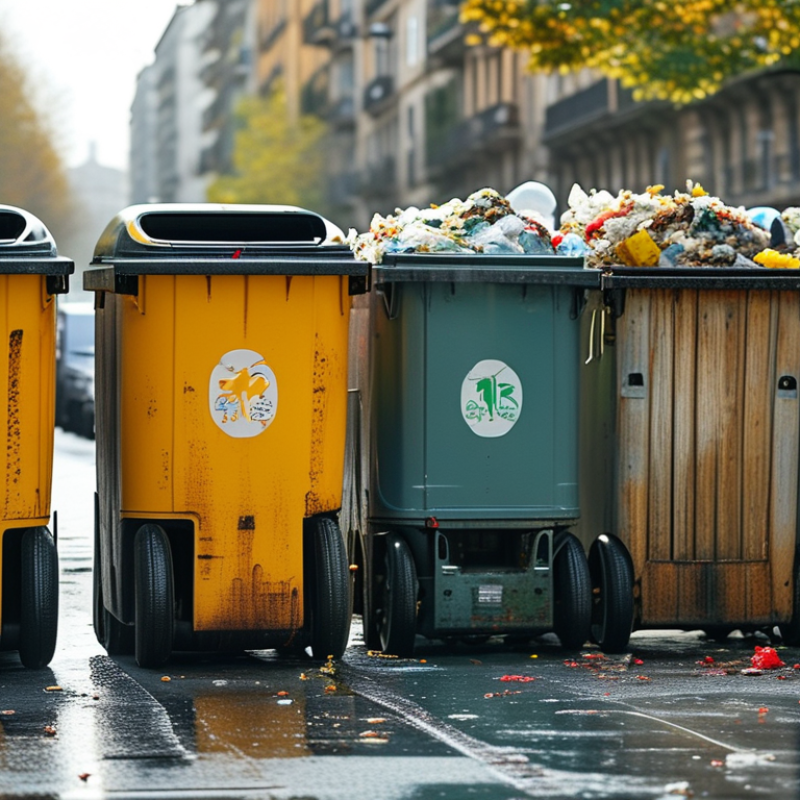
Pneumatic waste collection is an innovative solution for managing refuse in urban environments. This system uses underground pipes to vacuum waste directly from collection points. It operates quietly and efficiently, reducing noise pollution and minimizing street congestion. When residents dispose of their waste, it is sucked into an underground network of pipes. This method drastically cuts down on the need for front-line waste vehicles.
In cities transitioning to pneumatic waste systems, the benefits become quickly evident. Less litter in public spaces improves aesthetics. Maintenance is crucial, however; blockages can occur. Regular checks are necessary to prevent malfunctions. Additionally, the initial setup can be costly, leading to debates on feasibility. Some argue for traditional methods due to the high upfront investment.
While the technology is promising, challenges exist. Public acceptance varies; some residents may be skeptical. Education is key to helping communities embrace this solution. Despite these hurdles, many cities are exploring pneumatic systems. With ongoing innovations, the future of waste management could clean up significantly.
What is Pneumatic Waste Collection and How Does It Work?
| Feature |
Description |
| Definition |
A system that uses pneumatic pipes to transport waste through a network of underground tubes. |
| Components |
Includes waste inlets, underground pipes, vacuum stations, and a collection terminal. |
| Process |
Waste is dropped into inlets, which are connected to pipes that move it to a central collection point using vacuum pressure. |
| Advantages |
Reduces noise and smells associated with traditional waste collection, minimizes human interaction, and enhances cleanliness. |
| Application Areas |
Commonly used in urban environments, hospitals, shopping malls, and large residential complexes. |
| Environmental Impact |
Helps in managing waste more efficiently, reducing carbon footprint, and promoting recycling initiatives. |
Principles of Pneumatic Waste Collection Systems
Pneumatic waste collection systems have gained traction in urban areas. Their design relies on a network of
underground pipes that transport waste using air pressure.
This method reduces the need for traditional waste collection vehicles, thus minimizing traffic congestion and
pollution in busy cities.
The system operates by creating a vacuum within the pipes. Waste is deposited into specific inlets, which trigger
the vacuum mechanism. This action pulls the waste into the underground network. It is essential for these
systems to be well-maintained.
Blockages can cause serious issues, and regular inspections are necessary.
Moreover, not every location is suitable for pneumatic systems. The installation can be
costly and complicated, especially in densely populated areas. Adapting
existing infrastructure poses challenges. Local authorities must weigh these pros and cons before
implementation. The effectiveness of pneumatic systems can
vary based on location and design. Assessments and adjustments may be required to optimize operations effectively.
Components of a Pneumatic Waste Collection System
Pneumatic waste collection systems consist of several key components that work seamlessly together. At the heart of these systems is a network of underground pipes. These pipes transport waste from collection points to a central collection station. The pipes are typically made of durable materials to withstand pressure changes and environmental factors. Regular maintenance is essential to ensure these pipes remain clear and functional.
Another critical component is the vacuum technology. High-powered fans create a vacuum that pulls waste through the pipes. This method minimizes odors and pests associated with traditional waste collection. The vacuum can also handle various waste types, from food scraps to recyclable materials. However, the system relies on having an efficient filtration process to separate waste materials effectively.
Waste collection bins are also vital. These bins connect to the pneumatic system, allowing residents to deposit their waste directly. Ideally, these bins should be easy to access and maintain. Yet, there can be issues with contamination if users do not sort their waste properly. Clear signage and community education are necessary to encourage proper disposal, making the system more effective.
How Pneumatic Waste Collection Works in Practice
Pneumatic waste collection integrates advanced technology in urban environments. It works by using underground pipes to transport waste. When a user disposes of trash, it is sucked into a system through a chute. This system utilizes air pressure. The waste travels swiftly through the pipes, minimizing odors and pests.
In practice, this system requires careful design and maintenance. The pipes must be laid out strategically. If not, inefficiencies arise, leading to clogs. Regular inspections are necessary to ensure smooth operation. Municipalities often need training to manage this innovation. There can be challenges, such as user adaptability and understanding. Some residents might not be familiar with using these chutes.
The efficiency of pneumatic waste systems is impressive, but challenges remain. Not all waste types are suitable for this method, and contamination can occur. Education for the community is critical. Users must understand what can be discarded. This complexity can create confusion, impacting the system's reliability. More efforts are needed to balance technology with community needs.
Pneumatic Waste Collection Efficiency Over Time
Benefits and Challenges of Pneumatic Waste Collection Systems
Pneumatic waste collection systems offer significant benefits. They enhance sanitary conditions in urban areas and reduce odors. These automated systems transport waste via underground pipes, minimizing street congestion and enhancing aesthetics. Reports indicate that cities implementing these systems can lower waste collection costs by up to 25%. This efficiency stems from reduced labor and fewer truck trips.
However, challenges exist with these systems. Installation can be costly, often exceeding initial budget estimates. Maintenance can be complex, requiring specialized training. A 2021 industry survey revealed that 40% of cities experience issues with system reliability. In some areas, residents expressed concerns over noise from pneumatic valves. These issues highlight the necessity for careful planning and community engagement during implementation.
Balancing the advantages and drawbacks is crucial. While pneumatic systems can streamline waste management, cities must address operational challenges. Continuous monitoring and public feedback can uncover potential pitfalls. The future of urban waste collection depends on navigating these complexities effectively.