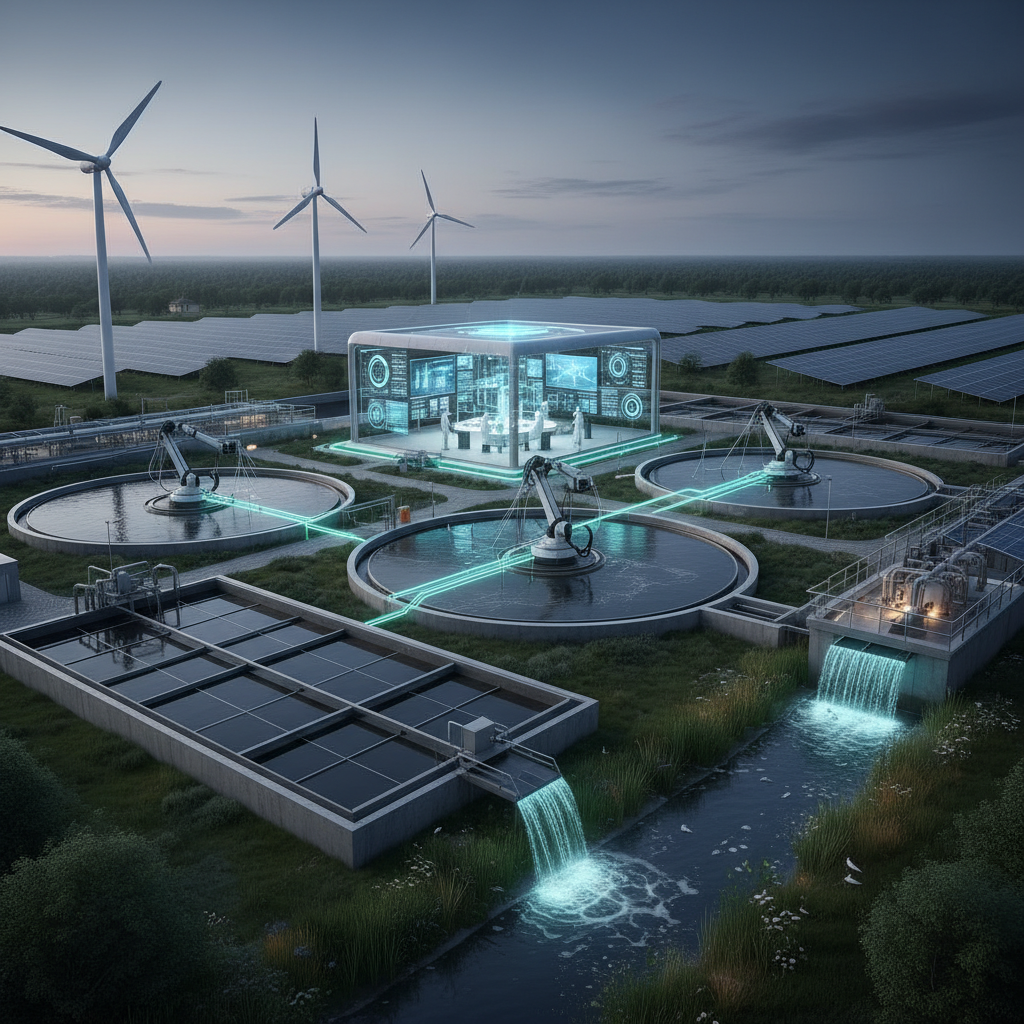
How to Navigate Challenges in the Wastewater Treatment Industry Efficiently
The Wastewater Treatment Industry faces numerous challenges that require efficient navigation to ensure sustainability and compliance with regulatory standards. According to the Global Water Intelligence report, the global wastewater treatment market is projected to reach $524.6 billion by 2025, highlighting the growing importance of this sector. With an increasing urban population, rising industrial activities, and stringent environmental regulations, wastewater treatment facilities must adapt rapidly to meet escalating demands while minimizing operational costs and environmental impact.

Moreover, the industry is encountering technological advancements, such as the integration of smart technologies and digital solutions. A recent analysis by MarketsandMarkets suggests that the smart water management market, which encompasses wastewater treatment innovations, is expected to grow from $12.3 billion in 2020 to $22.9 billion by 2025, indicating a significant shift towards more automated and efficient systems.
To effectively navigate these challenges, stakeholders must adopt a proactive approach, leveraging data analytics, advanced treatment methods, and workforce training to enhance their operational capabilities and sustainable practices in the wastewater treatment sector.
Innovative Technologies Transforming Wastewater Treatment Processes
Innovative technologies are revolutionizing the wastewater treatment industry, addressing pressing challenges such as regulatory compliance, operational efficiency, and environmental sustainability. Advanced treatment methods, including membrane bioreactors (MBR) and advanced oxidation processes (AOP), facilitate the removal of contaminants with greater efficacy and lower energy consumption. These technologies not only enhance the quality of treated water but also reduce the operational footprint of treatment facilities, making them more adaptable to varying influent qualities.
Additionally, the integration of smart technologies like IoT and automation into wastewater treatment processes is transforming how facilities operate. Real-time data monitoring allows for more informed decision-making, optimizing chemical dosing and resource use while minimizing downtime. Predictive maintenance powered by AI algorithms further empowers operators to anticipate equipment failures, thereby ensuring smooth operations and reducing costs. These innovations indicate a significant shift towards more efficient, effective, and sustainable wastewater treatment methods, crucial for meeting the demands of a growing population and increasing environmental regulations.
Wastewater Treatment Technologies Efficiency Comparison
Effective Regulatory Compliance Practices for Wastewater Facilities
In the wastewater treatment industry, effective regulatory compliance is crucial for protecting public health and the environment. Facilities must stay abreast of evolving regulations at both federal and state levels. Regular training for staff is essential to ensure they understand the latest compliance requirements and can implement necessary protocols effectively. Keeping comprehensive records of operations, maintenance activities, and inspection results is also critical, as these documents serve as proof of compliance during audits by regulatory bodies.
Additionally, developing a proactive approach to regulatory changes can set facilities apart. This includes establishing a dedicated compliance team responsible for monitoring legislative updates and engaging with industry associations. Leveraging advanced technology, such as automated monitoring systems, can help in quickly identifying potential violations and streamlining reporting processes. By fostering a culture of compliance and prioritizing transparency, wastewater facilities can not only navigate the challenges posed by regulatory requirements but also enhance their overall operational efficiency.
Best Practices for Enhancing Public Awareness and Engagement
Public awareness and engagement are critical components for improving practices in the wastewater treatment industry.
One effective strategy for enhancing awareness is through community education programs that inform residents about the importance of wastewater treatment.
Workshops, school programs, and informational booths at local events can demystify the processes involved and emphasize their impact on public health and the environment.
Utilizing various media channels, including social media, newsletters, and local news outlets, can help disseminate vital information to a broader audience.
In addition to educational initiatives, fostering community involvement is essential.
Encouraging local stakeholders to participate in decision-making processes can lead to greater investment in wastewater management solutions.
Organizing volunteer cleanup days at treatment facilities or along waterways can build a sense of ownership and responsibility among residents.
Furthermore, incorporating feedback sessions where community members can voice concerns and suggestions ensures that the public feels heard and valued, ultimately leading to more sustainable practices in the wastewater treatment sector.
Sustainable Approaches to Wastewater Recycling and Reuse
In recent years, the push for sustainable approaches in the wastewater treatment industry has gained significant momentum. Wastewater recycling and reuse not only conserve water resources but also reduce the environmental impact of effluent disposal. By implementing cutting-edge technologies and practices, businesses can turn a challenge into an opportunity for innovation and sustainability.
**Tips for Sustainable Wastewater Recycling:**
1. Invest in Advanced Treatment Technologies: Utilizing membrane bioreactors and advanced oxidation processes can enhance the efficiency of wastewater treatment, leading to higher quality recycled water.
2. Perform Regular Assessments: Regularly assess the effectiveness of your treatment systems to identify inefficiencies and areas for improvement.
3. Engage Stakeholders: Collaborate with local governments and communities to promote awareness and acceptance of recycled wastewater initiatives.
By focusing on recycling and reuse, stakeholders in the wastewater treatment sector can make significant strides towards sustainability, helping to ensure a cleaner, more resource-efficient future.
How to Navigate Challenges in the Wastewater Treatment Industry Efficiently - Sustainable Approaches to Wastewater Recycling and Reuse
| Challenges |
Sustainable Approaches |
Examples of Recycling Techniques |
Benefits |
| High Energy Consumption |
Energy-efficient technologies |
Anaerobic digestion |
Reduction in operational costs |
| Contamination Control |
Advanced filtration systems |
Membrane Bioreactors (MBR) |
Improved water quality |
| Waste Sludge Management |
Resource recovery |
Composting and land application |
Minimized landfill use |
| Regulatory Compliance |
Integrated management systems |
Real-time monitoring |
Enhanced compliance with low operational risk |
| Public Awareness |
Community education programs |
Workshops on water conservation |
Increased public support |