How to Maximize Water Reclamation for Sustainable Solutions?
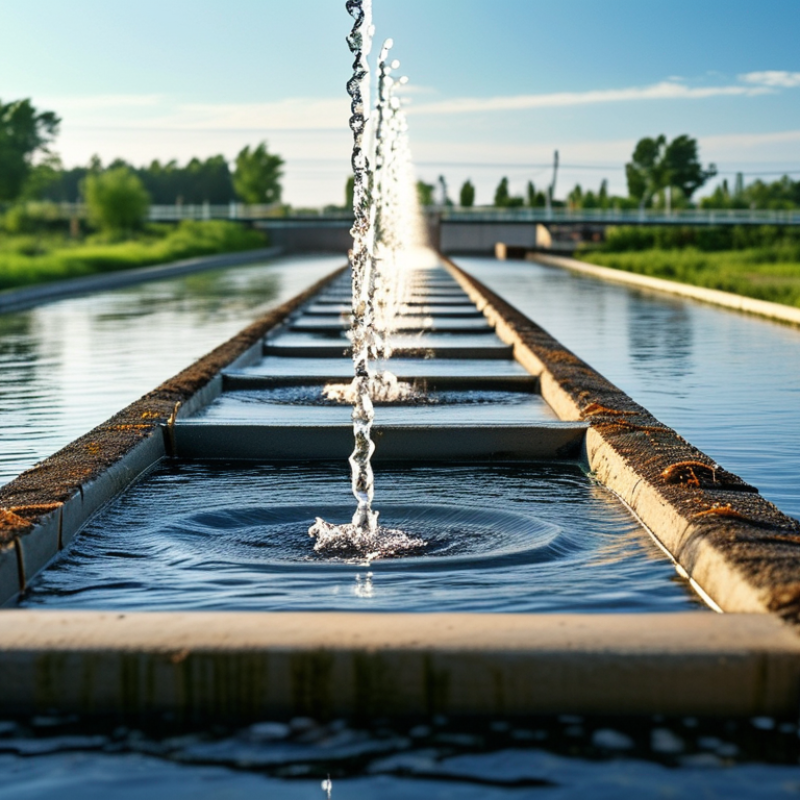
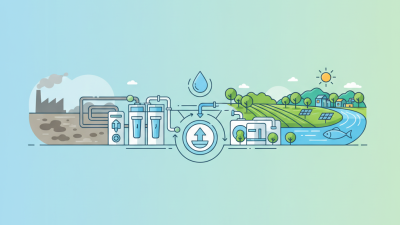
Water reclamation is an essential process for sustainable solutions. It involves treating wastewater to make it reusable. This practice supports not only water conservation but also environmental protection.
Many communities face water scarcity. Implementing effective water reclamation strategies can alleviate this issue. Advanced technologies, like membrane filtration and biological treatment, show promising results. However, not all systems are perfect; some require significant energy.
To maximize water reclamation, collaboration among governments, industries, and citizens is vital. Education on the importance of water reuse must be prioritized. It is essential to recognize the limitations. Continuous assessment and innovation are necessary in this evolving field. Failing to adapt could jeopardize future water supplies.
Understanding Water Reclamation and Its Importance for Sustainability
Water reclamation is a critical process that transforms wastewater into a resource. By treating used water, we can make it suitable for various applications, such as irrigation or industrial processes. This practice directly supports sustainability by conserving freshwater resources. With increasing water scarcity, reclaiming water reduces the demand on natural sources.
Understanding the significance of water reclamation requires a comprehensive view of its impact. Effective systems improve water quality and reduce pollution. Yet, many communities struggle with outdated infrastructures. This discrepancy raises questions about our commitment to sustainable practices. Investing in modern reclamation technologies is essential but challenging.
Education plays a vital role in fostering a culture of conservation. People need to understand how their actions affect water resources. Awareness can drive community efforts for better practices and policies. Even small changes in daily habits can make a difference. It's crucial to recognize areas for improvement and take actionable steps toward more sustainable water management.
Techniques for Effective Water Reclamation in Urban Areas
Urban areas face a growing challenge in managing water resources. Effective water reclamation is crucial for sustainability. Techniques such as rainwater harvesting, greywater recycling, and permeable pavements can significantly enhance water reuse.
Rainwater harvesting involves collecting rainwater from rooftops. This method reduces surface runoff. It provides a direct water source for irrigation and non-potable uses. Consider installing cisterns or barrels for collection. Regular cleaning and maintenance are essential for optimal performance.
Greywater recycling captures water from sinks, showers, and washing machines. This approach can significantly reduce the demand for fresh water. Homeowners should invest in systems that filter and treat greywater. Remember, not all plumbing is suitable for this purpose.
Permeable pavements allow water to seep through surfaces. This technique minimizes flooding and recharges groundwater. It's important to choose the right materials. Regular inspection is necessary to ensure they function well. Urban planners must integrate these systems into designs. Effective water reclamation starts with informed community action.
Water Reclamation Techniques in Urban Areas
Innovative Technologies for Enhancing Water Reclamation Processes
Innovative technologies are reshaping water reclamation processes, driving sustainability efforts. Advanced filtration methods, like membrane bioreactors (MBRs), have increased efficiency in removing contaminants. According to a report from the International Water Association, MBR systems can reduce organic matter by 98%. This impressive reduction allows for cleaner water that can be safely reused.
However, adopting new technologies isn’t without challenges. High initial investment costs can deter municipalities. A study by the U.S. Environment Protection Agency highlighted that effective implementation often requires public funding and support. Therefore, collaboration among stakeholders can mitigate investment barriers and facilitate progress.
**Tip:** Engage local communities in education about water reclamation benefits. Awareness can boost public support for innovative projects.
Another promising approach involves the integration of artificial intelligence (AI) in water management systems. AI can optimize operation parameters, reduce energy consumption, and enhance predictive maintenance. These improvements could lead to a 20% reduction in operational costs, according to recent findings by Water Environment Federation. Yet, organizations must remain cautious and evaluate the reliability of AI algorithms, ensuring data accuracy.
**Tip:** Conduct regular assessments to identify areas for improvement in technology. This proactive approach can facilitate adaptation and innovation.
How to Maximize Water Reclamation for Sustainable Solutions? - Innovative Technologies for Enhancing Water Reclamation Processes
| Technology |
Description |
Efficiency (%) |
Applications |
| Membrane Bioreactors |
Combines biological treatment and membrane filtration for high-quality effluent. |
90 |
Wastewater treatment, industrial processes. |
| Reverse Osmosis |
Uses semi-permeable membranes to remove ions, molecules, and larger particles from water. |
85 |
Desalination, water purification. |
| Constructed Wetlands |
Mimics natural wetlands to treat wastewater through natural processes involving plants, soil, and microbes. |
70 |
Urban drainage, agricultural runoff treatment. |
| Electrodialysis |
Electrochemical process used to separate ions from water. |
78 |
Brackish water treatment, water softening. |
Integrating Water Reclamation into Sustainable Water Management Plans
Integrating water reclamation into sustainable water management plans is crucial. According to the United Nations, over 2 billion people face water scarcity. Effective water management can alleviate this crisis. By reclaiming wastewater, cities can reduce the demand for fresh water. This practice not only conserves resources but also lowers treatment costs.
A 2021 report from the International Water Association indicates that in many regions, up to 50% of treated wastewater can be reused. However, many municipalities lack the infrastructure for implementation. Inefficient systems result in significant water loss. Addressing these gaps is essential for maximizing reclamation efforts.
Communities must also consider public acceptance. Many people are hesitant about using reclaimed water. Educational campaigns can help reshape perceptions. Transparency about safety standards is vital. Building trust helps communities embrace sustainable solutions. Only then can water reclamation be a reliable component of water management.
Challenges and Solutions in Scaling Up Water Reclamation Efforts
Water reclamation can significantly contribute to sustainability. However, numerous challenges arise in this process. One major issue is public perception. Many people are hesitant to accept treated wastewater as safe. Education and outreach are vital. Communities must understand the technology and its benefits. Trust is crucial for successful implementation.
Another hurdle is infrastructure. Existing systems often lack the capacity for expanded reclamation efforts. Upgrading facilities can be costly and time-consuming. Finding funding can be difficult. Solutions may involve public-private partnerships or innovative financing models. Technology should also play a role. Smart systems can optimize water treatment processes and reduce overhead.
Regulatory barriers continue to present obstacles. Inflexible policies can stifle innovation. Flexibility in regulations might foster more adaptive solutions. Collaboration among governments, nonprofits, and tech companies can enhance the framework. This multi-faceted approach can address challenges effectively. As these efforts expand, continuous reflection on methods and outcomes will be crucial. Improving water reclamation requires dedication and a willingness to adapt.