10 Best Tips for Lithium Battery Rejuvenation and Extended Lifespan
In the rapidly evolving landscape of technology, the importance of lithium batteries cannot be overstated. As devices grow increasingly power-hungry, the quest for Lithium Battery Rejuvenation becomes more crucial than ever. Renowned expert Dr. Emily Carter, an influential figure in battery technology, emphasizes, “Rejuvenating lithium batteries is not just about extending their lifespan; it's about maximizing the efficiency and sustainability of the devices we rely on daily.” This perspective highlights the need for effective strategies to enhance battery longevity.
The process of Lithium Battery Rejuvenation involves a variety of techniques aimed at restoring the battery’s performance and extending its usable life. As users increasingly depend on rechargeable batteries for everything from smartphones to electric vehicles, understanding how to rejuvenate these essential power sources becomes paramount. By implementing best practices, individuals and industries alike can benefit from the improved function and extended lifespan of lithium batteries. Our discussion will delve into the ten best tips that can significantly impact the durability and efficiency of lithium batteries, ensuring they continue to serve their purpose effectively.

Understanding Lithium Battery Chemistry and Aging Process
Understanding the chemistry of lithium batteries is crucial to both their rejuvenation and longevity. Lithium-ion batteries store energy through electrochemical reactions in which lithium ions move between the anode and cathode. Over time, however, these batteries undergo various aging processes, including cycles of charge and discharge, which can lead to capacity loss and decreased performance. The formation of solid electrolyte interphase (SEI) and the degradation of materials due to repetitive stress contribute significantly to battery aging, highlighting the importance of proper usage and maintenance.
To extend the lifespan of lithium batteries, one effective tip is to avoid deep discharges. Regularly discharging your battery to very low levels can accelerate its aging process. Instead, keep the charge level between 20% and 80%, as this range minimizes stress on the battery. Additionally, maintaining optimal temperature during charging and storage is crucial; extreme cold or heat can further degrade battery components, leading to reduced efficiency and shorter life.
Another valuable tip is to utilize a smart charger that can manage charging cycles and prevent overcharging. This technology helps in maintaining the health of lithium batteries by controlling the voltage and current flow, thereby minimizing the risk of thermal runaway and prolonging battery life. By understanding the underlying chemistry and implementing these strategies, users can significantly enhance the performance and longevity of their lithium batteries.
Battery Capacity vs. Charge Cycles
This bar chart illustrates the relationship between the number of charge cycles and the remaining battery capacity of lithium batteries. As the number of charge cycles increases, the battery capacity tends to decrease, highlighting the importance of proper battery care to extend its lifespan.
Common Factors Affecting Lithium Battery Lifespan
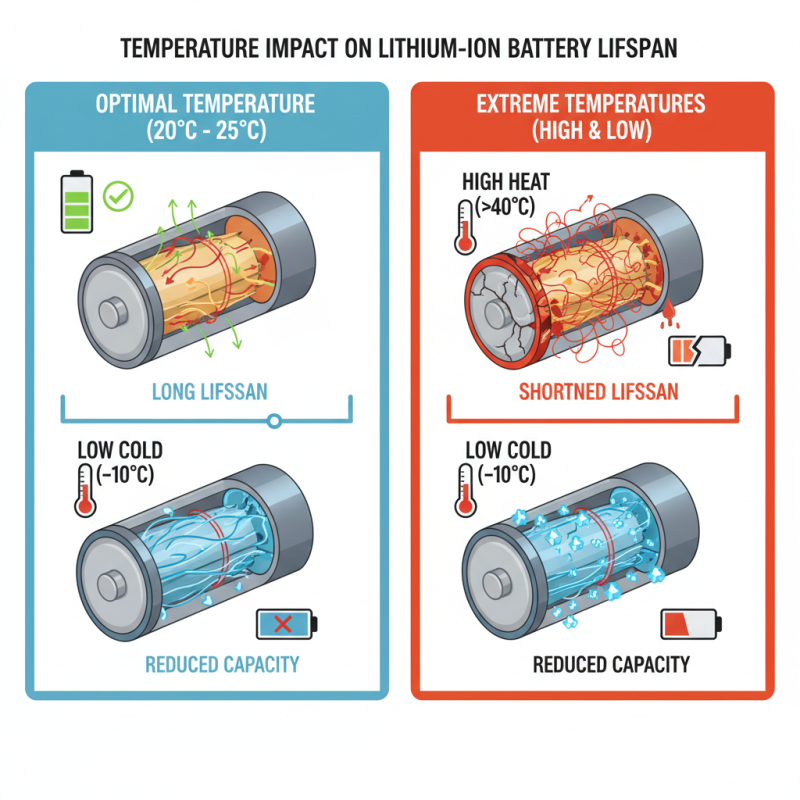
The lifespan of lithium batteries can be significantly impacted by several common factors that users should carefully consider. One of the primary determinants is temperature. Lithium batteries perform optimally within a specific temperature range, typically between 20°C to 25°C. Exposing batteries to high temperatures can accelerate chemical reactions, leading to premature degradation of battery components. Conversely, extremely low temperatures may inhibit performance and capacity. Thus, maintaining a stable ambient temperature is crucial for extending the lifespan of lithium batteries.
Another key factor is the depth of discharge. Frequently depleting a lithium battery to very low levels before recharging can negatively affect its longevity. It is advisable to recharge the battery when it reaches around 20% capacity instead of allowing it to drain completely. Additionally, the charging method can also influence the battery’s lifespan. Using a fast charging option may seem convenient but can generate excess heat, stressing the battery. Employing slower, more controlled charging processes generally results in less heat generation and promotes a healthier battery cycle, ultimately leading to a longer service life. Attention to these factors can significantly contribute to the rejuvenation and durability of lithium batteries.
Practical Tips for Regular Maintenance and Care
Lithium batteries are ubiquitous in modern technology, powering everything from smartphones to electric vehicles. To ensure longevity and optimal performance, regular maintenance is essential. According to a report by the Battery University, lithium batteries can experience significant degradation if not properly cared for, with lifespan reductions of up to 30% if subjected to extreme temperatures or improper charging practices. Therefore, understanding proper maintenance is crucial to extending the lifespan of these batteries.
One of the most effective practices is to keep the battery charge between 20% and 80%. Fully discharging or overcharging can strain the battery, leading to faster degradation. Additionally, storing batteries in a cool, dry environment can help mitigate the effects of temperature fluctuations, which can cause a decrease in capacity. A study by the National Renewable Energy Laboratory highlights that batteries maintained at moderate temperatures (around 20°C) last longer than those exposed to high temperatures.
Regularly checking for corrosion and ensuring clean contacts can also contribute to better battery performance, as any buildup can impede electrical flow, leading to inefficient energy use and potential overheating. By implementing these practical maintenance tips, users can significantly prolong the life and efficiency of their lithium batteries.
Techniques for Safe Battery Rejuvenation
Lithium batteries are a common power source in many devices, and extending their lifespan is crucial for both economic and environmental reasons. A recent report by the International Energy Agency highlights that improving battery longevity can significantly reduce the demand for raw materials, thereby minimizing the environmental impact of lithium extraction. Safe rejuvenation techniques can play a pivotal role in this effort.
One effective method for safe battery rejuvenation is to monitor the battery's temperature during charging and discharging. Excessive heat can lead to reduced performance and lifespan. According to the Battery University, maintaining a temperature between 20°C to 25°C can maximize efficiency and prolong battery life. Additionally, consider using a smart charger that can adjust the charging rates based on the battery's condition. This not only prevents overheating but also helps avoid overcharging, which can damage battery cells.
Another tip is to practice regular cycling. It has been shown that fully discharging and then recharging a lithium battery can help recalibrate the battery management system, enhancing its ability to accurately monitor state-of-charge levels. However, this should be done sparingly; a discharge level of 20% to 30% is often recommended to prevent deep discharge, which can lead to irreversible damage. Implementing these techniques can significantly improve battery performance and longevity while ensuring safety throughout the rejuvenation process.
Monitoring Battery Performance and Health Indicators
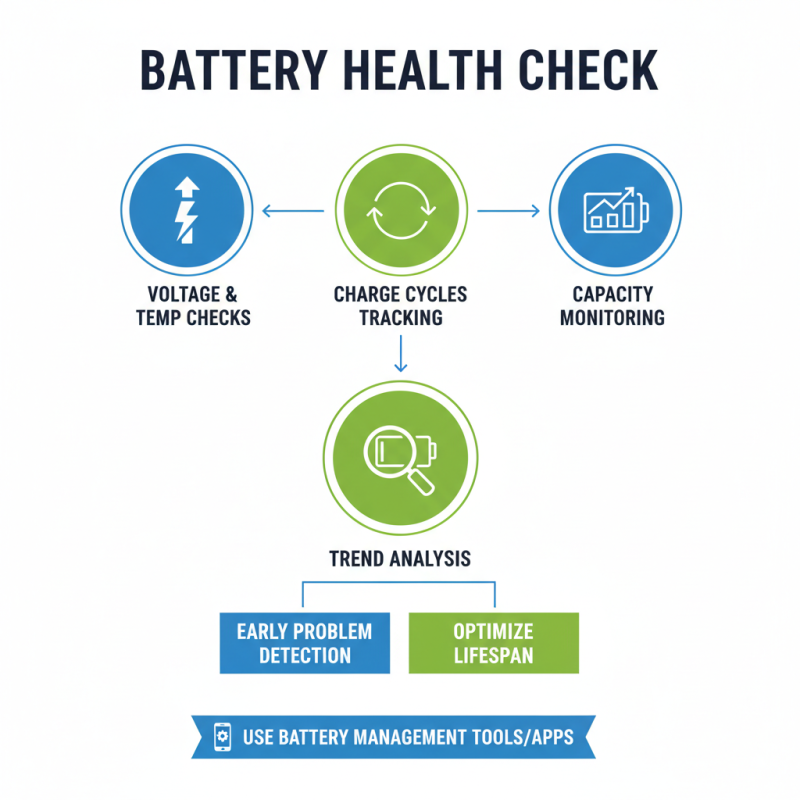
To effectively monitor battery performance and health indicators, it's crucial to establish a routine assessment method. Regularly checking the voltage levels, temperature, and overall charge cycles will provide valuable insights into the battery's condition. Tools or apps designed for battery management can help track these metrics over time, identifying trends that signal potential problems. Keeping an eye on the battery's capacity compared to its original specifications can also alert users to deviations that might indicate wear or impending failure.
In addition, understanding the key performance indicators can enhance the ability to prolong the lifespan of lithium batteries. For instance, monitoring the charge/discharge cycles can inform users when to adjust usage habits to minimize strain on the battery. Analyzing factors such as internal resistance and self-discharge rates will also aid in assessing whether the battery is operating optimally. By staying informed on these health indicators, users can take proactive measures to rejuvenate their batteries and significantly extend their functional lifespan, ensuring that they maintain peak performance for longer periods.